If you run AI for a commercial organisation, you already know this pattern. You've funded the pilots. The demos looked great in the room. Then the model that predicted churn, recommended next-best-action, or flagged a pricing anomaly hit the wall every model eventually hits - it had to reason across systems, and it quietly stopped being useful.
Sound familiar? It's not your model. It's what it's standing on.
And if you sit on the Commercial Excellence side, you've lived the other half of this story. Your CRM knows the account. Your MLR system knows what's approved. Your pricing team knows the margin. Your trade team knows the spend. Ask any two of them the same question and you'll get two defensible, well-reasoned, completely different answers. Whose fault is that? Nobody's. That's just what six point solutions do when nothing connects them.
Here's the uncomfortable part for AI leaders specifically: your model can correlate across that mess. It cannot explain what causes what - because causality requires a shared definition of what happened, and none of your six systems agree on one. That's the real gap between a pilot that impresses a steering committee and a system a brand team will actually trust with a launch decision.
What would it take to close that gap?
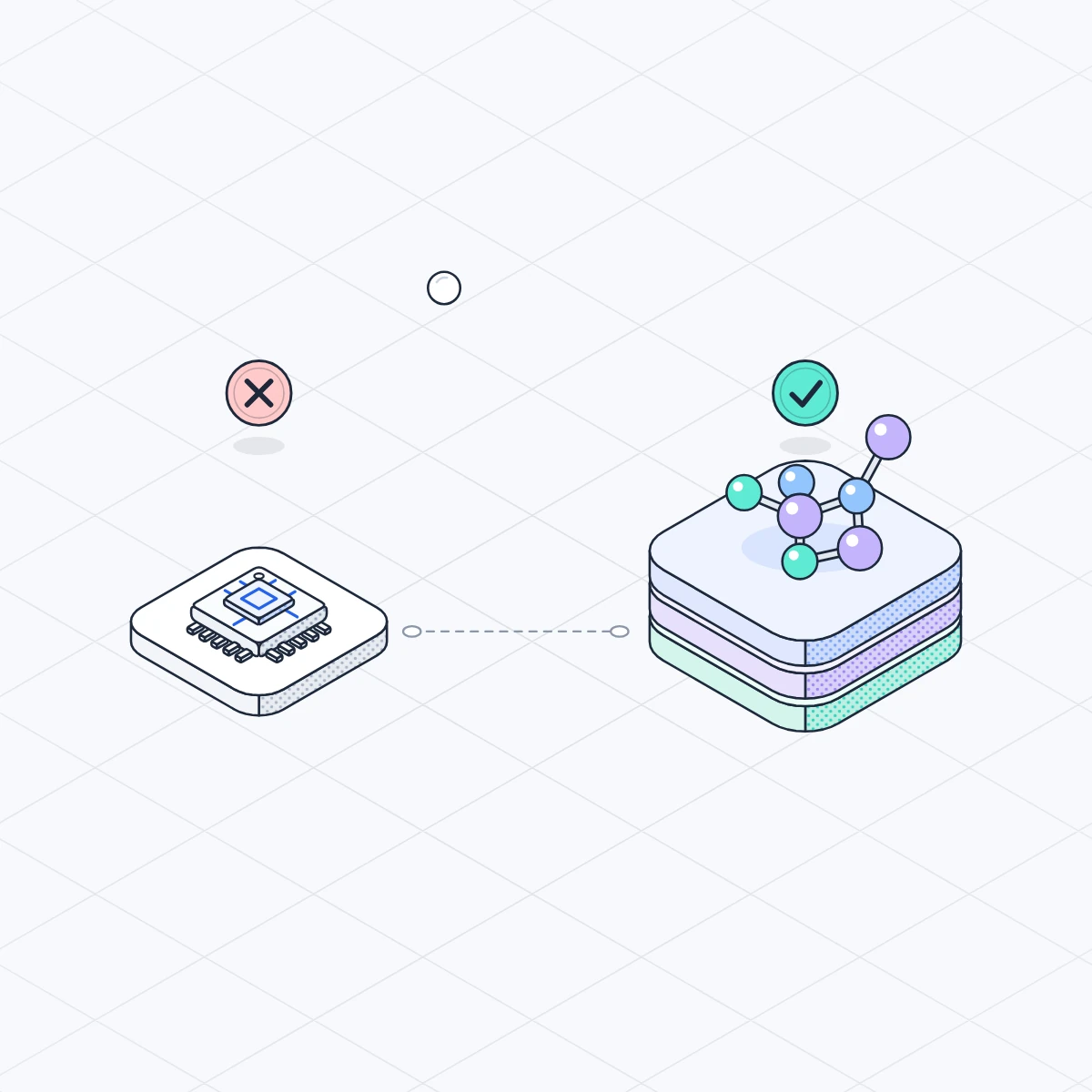
Two things, and most "data foundation" projects only ever deliver one of them. Infrastructure that's causal - reasoning about what actually drives an outcome, not just what moves alongside it. And infrastructure that's self-learning, reconciling itself continuously as territories, terms, and source systems change, instead of going stale the month after launch. Miss either one and you're back to a smarter pattern-matcher sitting on the same fog.
This is what we built the Commercial Excellence Ontology to be.
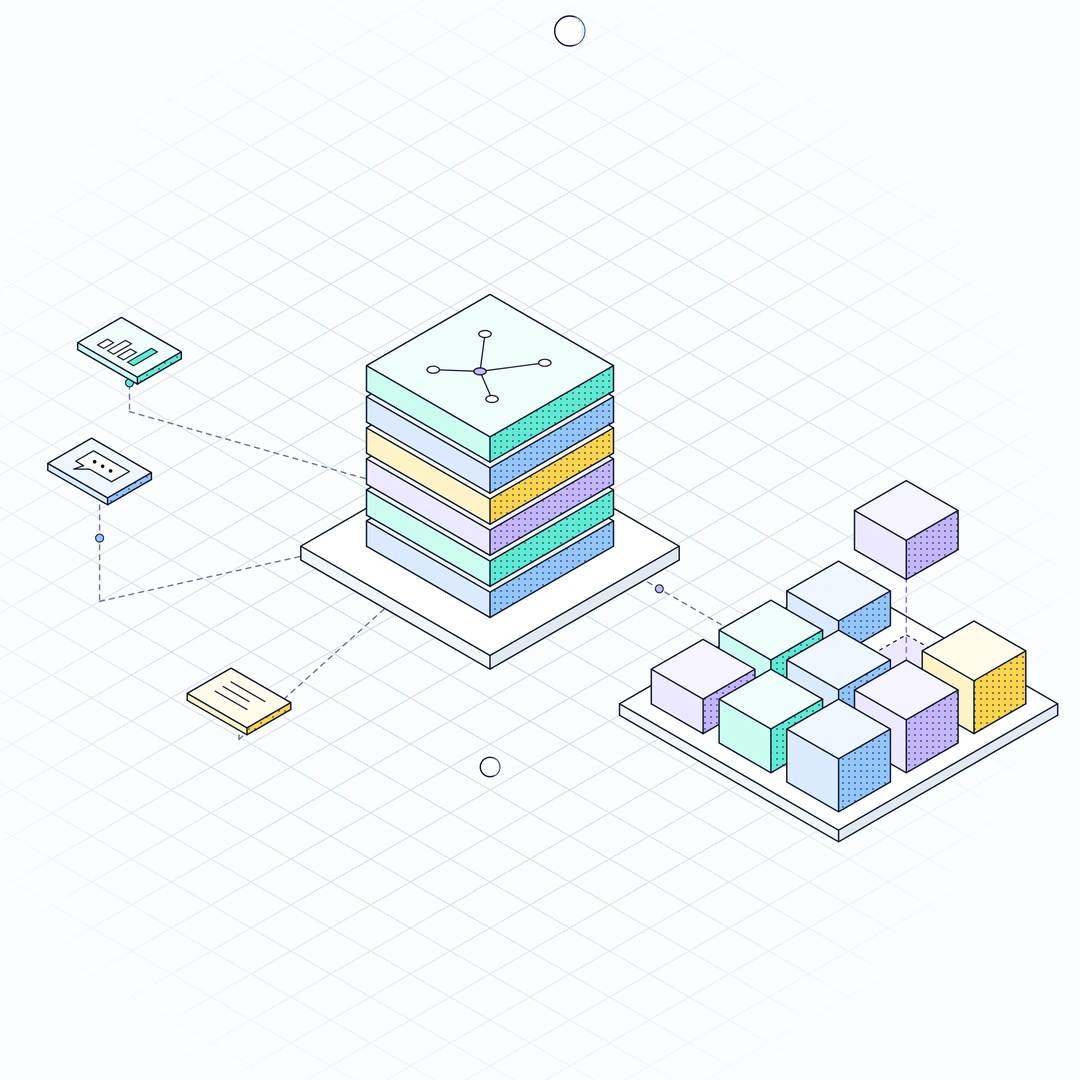
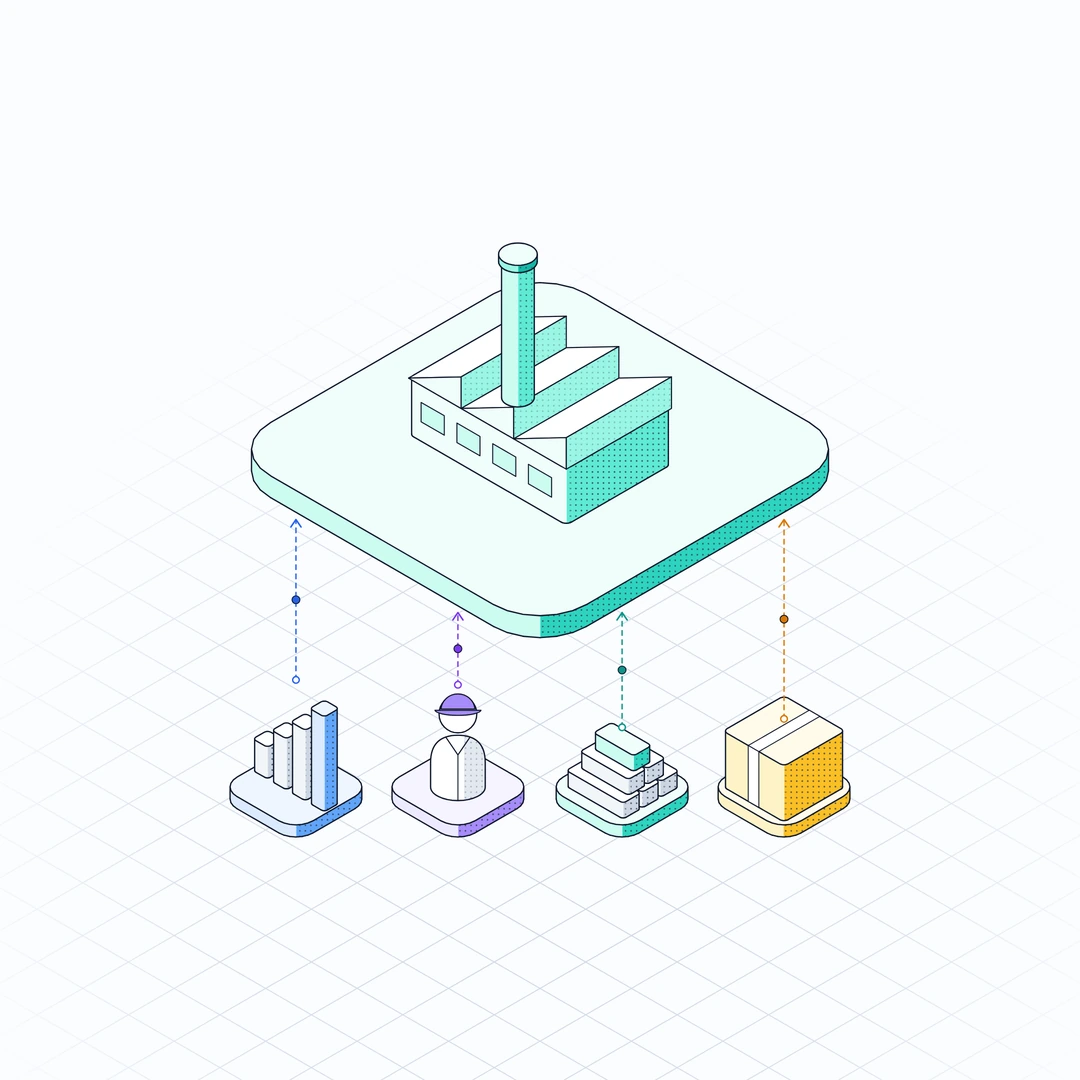
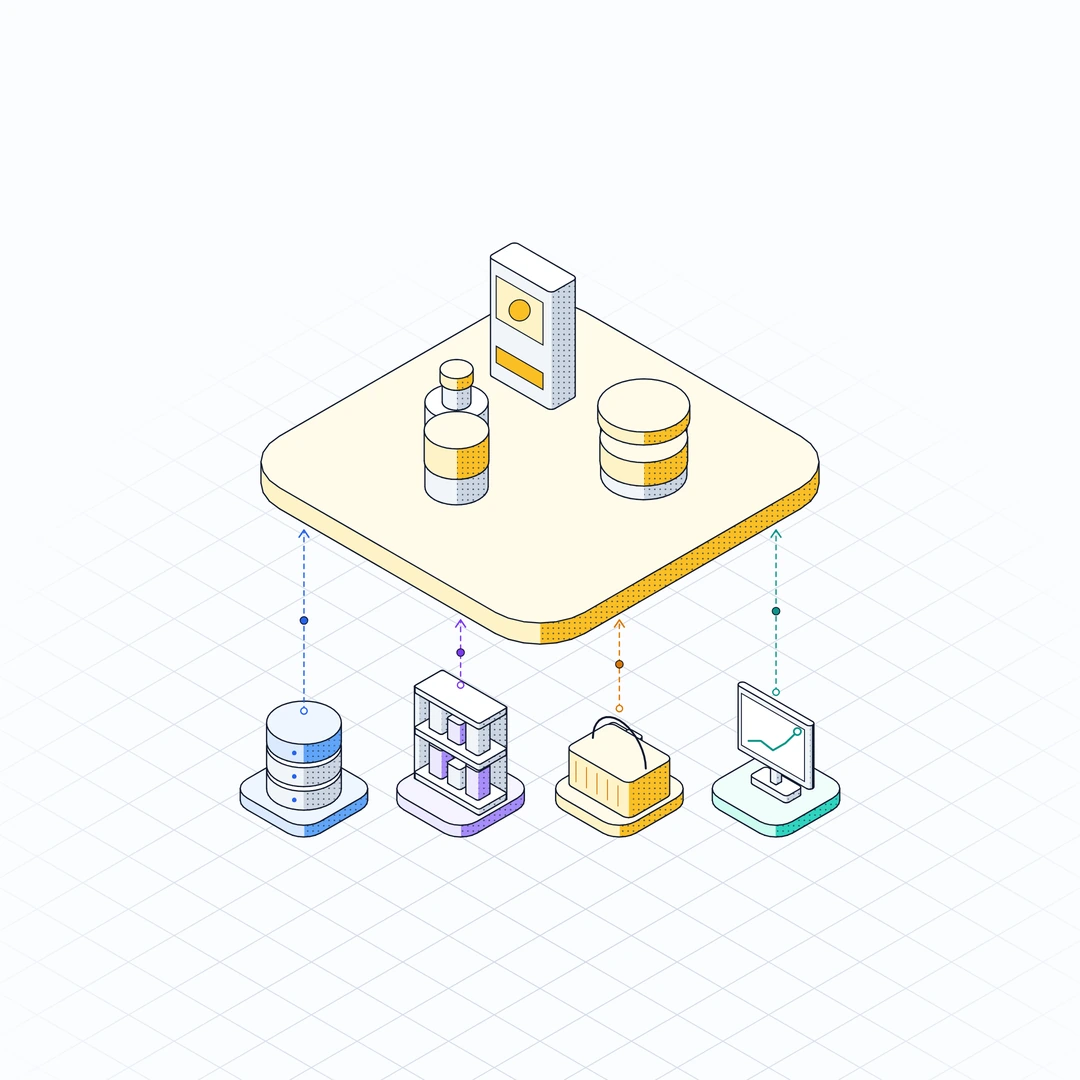
Not a dashboard you check. Not another system for your team to integrate and maintain. A shared, living model across nine layers that every commercial tool and every AI application on top of it - reads from and writes to, so Sales, Marketing Intelligence, Portfolio & Pricing, and Commercial Reasoning are finally arguing from the same facts:
Layer 01
Product & Portfolio
Layer 03
Account & Engagement
Layer 04
Customer & Segment
Layer 06
Inventory & Supply
Layer 08
Promotion & Compliance
Who keeps it honest?
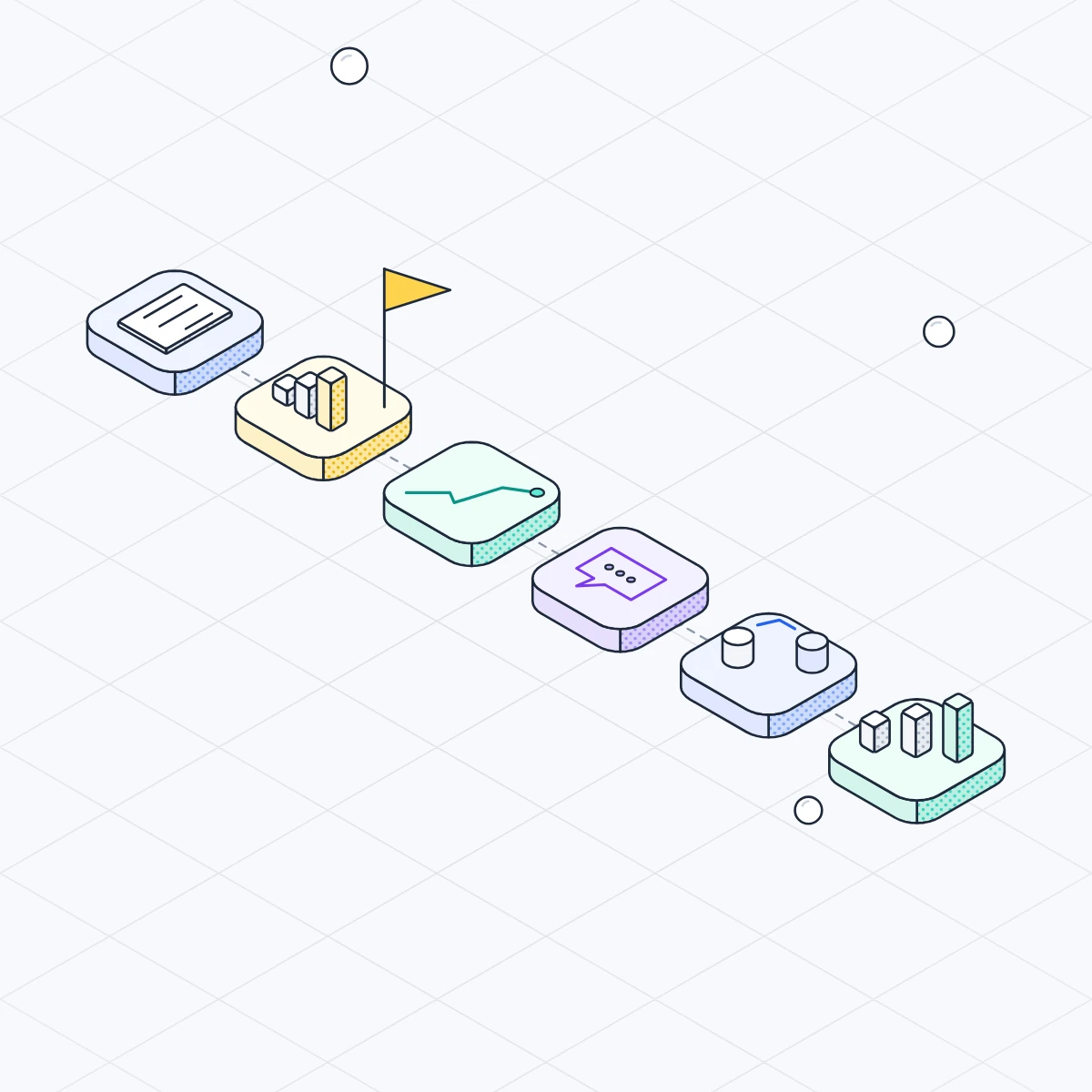
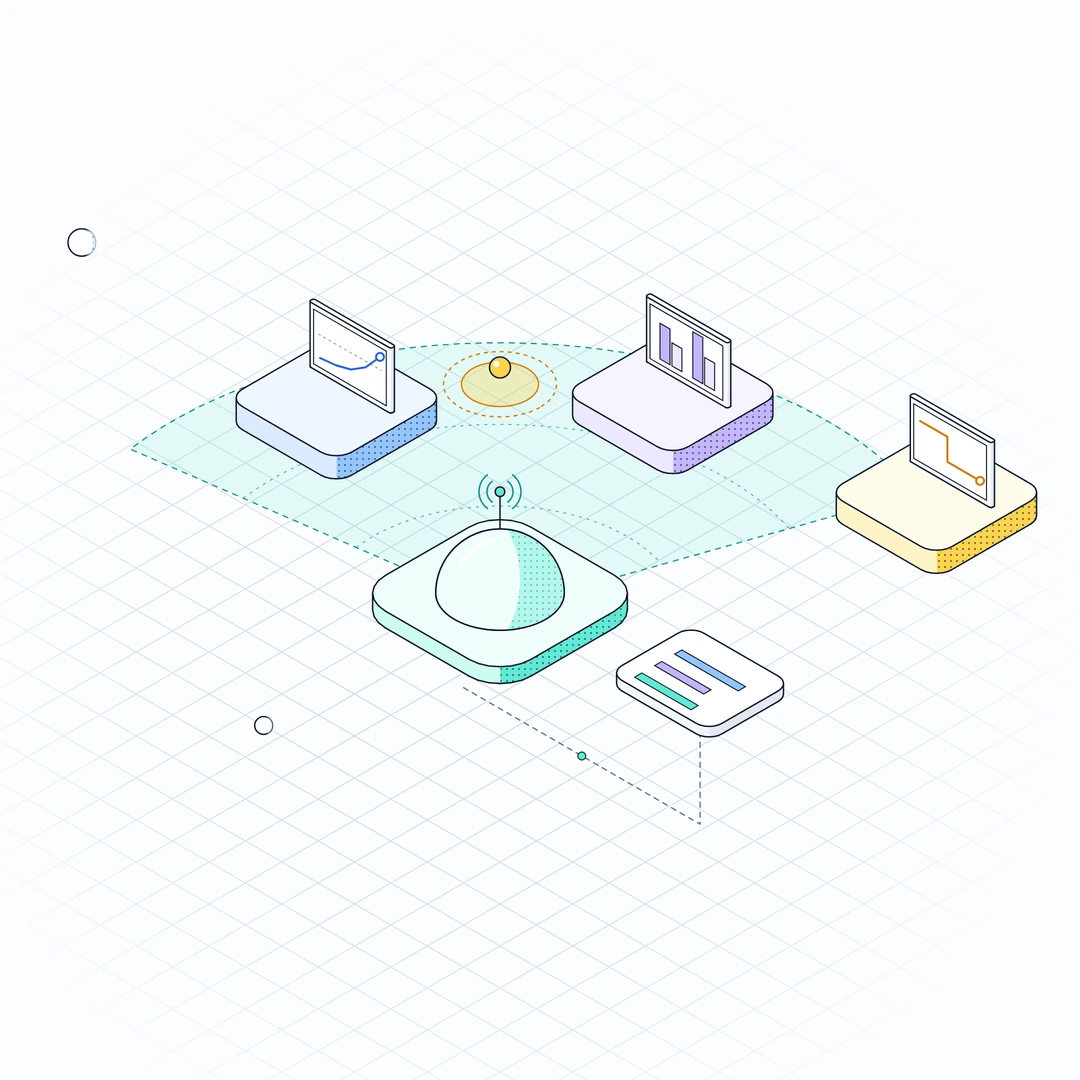
Not a quarterly data-governance meeting. Three layers of agents, working continuously:
Layer 1
Data Agents
reconcile structured feeds and unstructured input alike ERP tables and EDI feeds as easily as trade contract PDFs, deduction scans, and rep call notes, resolving mismatched SKUs and duplicate accounts without a manual mapping project.
Layer 2
Ontology Agents
build and maintain the nine layers, inferring relationships and flagging drift and running continuous blind-spot detection across them, surfacing correlations nobody thought to connect, like a promotion's ROI dropping exactly where a competitor cut price, before a single analyst has to go looking.
Layer 3
Decision & Application Agents
orchestrate the tools acting on it - pricing engines, next-best-action apps, trade-spend optimisers, checking live ontology state before every trigger, so nothing fires on stale data.
That's the difference between a foundation your AI roadmap can build on for years and another layer you'll be rebuilding in eighteen months.
And because every recommendation carries full data lineage, role-based access, and an explainable trail back to the records it drew from - with Promotion & Compliance state visible wherever it's used it's built to survive the scrutiny commercial AI actually faces: legal, medical, and finance, not just a demo audience.
What does this look like on a Tuesday morning?
01
HCP engagement drops in a region. Instead of a flat number, the ontology hands you the chain:
updated messaging stuck in MLR review
reps still working old materials
a competitor's fresher campaign in the same territory
02
A next-best-action model wants to recommend outreach to an account sitting on an active MLR hold. Built on the ontology, it can't- it inherits compliance state automatically, so the recommendation is executable the moment it reaches a rep.
03
A trade promotion underperforms and nobody connects it to anything. The ontology already has; it surfaced the ROI drop against a competitor's price cut before your team opened the dashboard.
What to expect on ROI
We're not going to promise you a number the pages can't back up yet, this just launched. But the underlying pattern is well-documented industry-wide. Pharma organisations that unify fragmented commercial data before layering on analytics and AI consistently report 15–25% gains in sales productivity, roughly 30% improvement in marketing ROI, and market access moving six to eight months faster, largely because teams stop re-deriving the same insight in three systems and start acting on one (Polestar Analytics, commercial Pharma analytics benchmarks). On the trade side, industry research puts 59–72% of promotions as unprofitable when spend, pricing, and competitive data sit apart exactly the blind spot the ontology is built to surface before the promotion runs its course, not after the quarter closes.
15–25%
gains in sales productivity
Polestar Analytics
~30%
improvement in marketing ROI
Polestar Analytics
6–8 months
market access moving faster
Polestar Analytics
59–72%
of promotions as unprofitable when spend, pricing, and competitive data sit apart
Industry research
The honest framing: the ontology doesn't manufacture ROI on its own. It removes the reconciliation tax that's currently sitting between your data and every decision built on it and that tax is where most of the documented upside above actually comes from.
A question worth sitting with
If you're building AI for a commercial org, what's it reasoning on top of?
Domain OntologyCommercial ExcellenceDecision AIEnterprise AIPharma CPG